
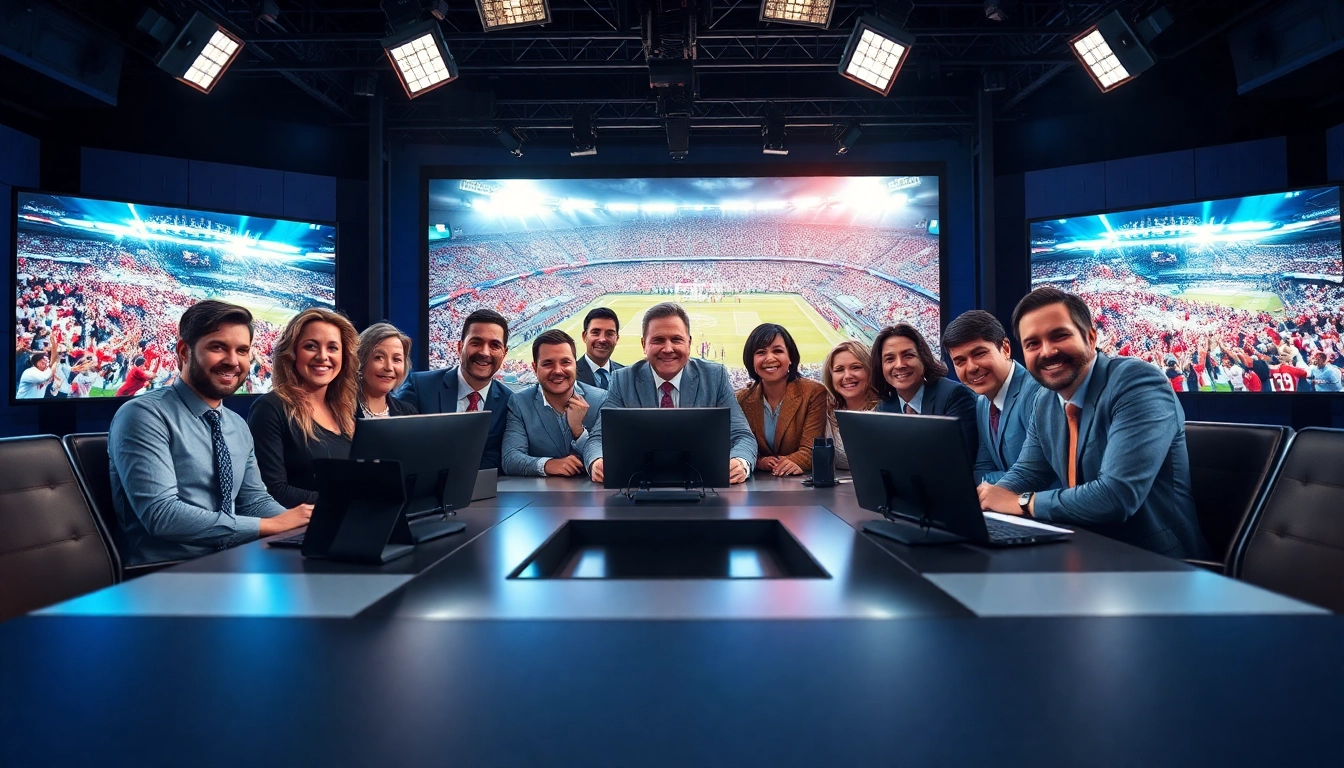
Understanding the Fundamentals of Sports Broadcasting
What is Sports Broadcasting?
Sports broadcasting is the dissemination of sports-related content to audiences via various forms of media. It encompasses live event coverage, analysis, commentary, and sports news, engaging fans across traditional television, radio, and digital platforms. With the explosive growth of technology, Sports Broadcasting has evolved beyond simple reporting, transforming into an immersive experience that leverages data and analytics for enhanced viewer engagement.
Key Roles in Sports Broadcasting
Various professionals collaborate in sports broadcasting to deliver a cohesive product. Some key roles include:
- Play-by-play Announcer: This announcer provides a continuous description of the action during a live event, engaging viewers and keeping them informed.
- Color Commentator: Working alongside the play-by-play announcer, the color commentator provides in-depth analysis, insights on player performances, and strategic commentary.
- Producer: The producer coordinates the overall operation of the broadcast, determining the sequence of segments, managing camera angles, and ensuring a seamless flow.
- Director: The director visualizes the broadcast, overseeing the technical aspects, and making real-time decisions about camera shots and transitions.
- Camera Operators and Technicians: These individuals handle the cameras and equipment, ensuring high-quality visuals and sound for the broadcast.
Overview of Broadcasting Techniques
Sports broadcasting employs various techniques that enhance viewer experience:
- Live Coverage: Broadcasting events as they happen allows fans to witness the excitement in real-time. Techniques include multi-camera setups and drone footage for dynamic perspectives.
- Pre- and Post-Game Shows: Engaging audiences before and after the event with analysis, interviews, and expert opinions adds context and enhances the viewing experience.
- Replay and Analysis: Utilizing slow-motion replays and graphics helps elucidate complex plays, fostering a deeper understanding among viewers.
- Graphics and Statistics: Enhanced visuals featuring player statistics, line-ups, and timelines keep the audience informed and engaged throughout the broadcast.
Essential Technologies for Sports Broadcasting
Equipment Needed for Quality Broadcasts
To ensure high-quality broadcasts, several technological tools are necessary:
- Cameras: High-definition cameras are vital for capturing the event. Options include multi-camera setups for different angles and action shots.
- Microphones: High-quality microphones, including wireless options, ensure clear audio from commentators and participants. Ambient mics also capture the atmosphere of the event.
- Streaming Equipment: Encoders and switchers allow for live streaming and seamless transition between different camera inputs.
- Editing Software: Post-production tools are essential for creating highlight reels and summaries that capture the essence of the event.
- Laptop and Networking Equipment: Reliable laptops and network equipment facilitate the integration of live feeds, social media updates, and other interactive content.
Software Solutions for Live Streaming
Several software solutions enhance live streaming capabilities:
- OBS Studio: An open-source software that allows broadcasters to create unlimited scenes and effortlessly switch between them during a live stream.
- Wirecast: Professional live video streaming software that provides a comprehensive set of features, including live editing, scoreboards, and social media integration.
- vMix: This software enables users to live stream in high definition and offers advanced features like instant replay, virtual sets, and cloud streaming.
- Streamlabs: Optimized for gamers and content creators, Streamlabs offers customizable widgets, alerts, and overlays, making it easier to connect with audiences.
Emerging Trends in Broadcasting Technology
As technology evolves, several trends are shaping the future of sports broadcasting:
- Augmented Reality (AR) and Virtual Reality (VR): These technologies create immersive experiences for viewers, allowing them to engage with live events in groundbreaking ways.
- Data Analytics: Analytics tools provide insights into viewer behavior, allowing broadcasters to tailor content and advertisements more effectively.
- Social Media Integration: Real-time updates, live tweeting, and interactive content connect with viewers and enhance community engagement.
- Mobile Streaming: As mobile devices become a primary viewing medium, broadcasting strategies increasingly focus on mobile optimization, ensuring content is accessible anywhere.
The Audience: Understanding Viewers in Sports Broadcasting
Analyzing Audience Demographics
Understanding audience demographics is crucial for targeting content effectively. Factors to consider include age, gender, location, and viewing habits:
- Age Group: Different sports attract various age demographics. Young audiences may prefer fast-paced sports, while older viewers may enjoy niche or classic sports.
- Gender: Identifying gender preferences can help tailor content and commentary style. Engaging both male and female fans enhances overall reach.
- Geographic Location: Preferences for certain sports can vary significantly by region, making local broadcasting strategies essential.
Engagement Strategies for Sports Fans
Boosting fan engagement is essential in sports broadcasting. Here are effective strategies:
- Interactive Polls: Integrating real-time polls during broadcasts allows fans to express their opinions and feel involved in the event.
- Live Chats: Hosting live chat sessions with commentators or players fosters a community feel and enhances viewer engagement.
- Gamification: Engaging fans through games, quizzes, or fantasy leagues adds a layer of fun, prompting viewers to interact with the content.
Importance of Interactive Features
Interactive features are paramount in today’s broadcasting landscape:
- Viewers’ Involvement: Elements like live Q&A sessions or fan challenges enable viewers to feel involved, enhancing loyalty to the broadcaster.
- Customized Content: Allowing fans to choose their desired commentary or camera angles can personalize the viewing experience.
- Real-Time Statistics: Sharing live stats enhances the analytical aspect of sports, providing viewers with immediate insights into team and player performances.
Effective Strategies for Covering Live Events
Planning Your Broadcasting Schedule
Effective event coverage begins with meticulous planning:
- Creating a Timeline: Develop a clear timeline leading up to the event, outlining preparation, promotions, and broadcasting schedules.
- Coordinating with Stakeholders: Ensure alignment with teams, players, and sponsors to curate broadcast content that resonates with the audience.
- Contingency Planning: Establish strategies for potential issues like weather interruptions or technical failures to mitigate disruptions during the event.
On-Site Coverage Techniques
Effective on-site coverage requires a combination of technology and skilled personnel:
- Mobile Units: Deploying mobile broadcast units equipped with necessary tools ensures coverage of remote and outdoor events.
- Multiple Camera Angles: Utilizing various camera positions allows for a more captivating viewing experience, emphasizing key actions from different perspectives.
- Real-Time Updates: Providing instant updates via social media or mobile apps keeps fans informed and engaged during broadcasts.
Post-Event Analysis and Recaps
The analysis phase is critical for sustained viewer interest:
- Highlight Reels: Curating highlight reels that encapsulate the best moments allows fans to relive the excitement of the event.
- Expert Analysis: Engaging analysts for post-event discussions can deepen understanding and spark conversations among fans.
- Interactive Recaps: Using interactive formats, such as Q&A sessions or forums, invites viewer engagement post-event.
Measuring Success in Sports Broadcasting
Key Performance Indicators to Track
To assess the effectiveness of sports broadcasting efforts, monitor specific metrics:
- Viewership Numbers: Tracking the number of viewers is crucial for evaluating reach and engagement levels.
- Audience Retention: Measuring how many viewers remain for entire broadcasts provides insights into viewer engagement.
- Social Media Engagement: Likes, shares, comments, and mentions highlight how content resonates with viewers online.
Feedback Mechanisms for Continuous Improvement
Continuous improvement relies on gathering and analyzing feedback:
- Viewer Surveys: Conduct surveys to gather insights on viewer satisfaction and areas for improvement.
- Focus Groups: Engaging target audiences in discussions provides qualitative feedback that can enhance content strategies.
- Social Media Listening: Monitoring social media channels for viewer feedback and suggestions can help in adjusting broadcast strategies accordingly.
Case Studies of Successful Broadcasts
Learning from successful broadcasts can inform best practices:
- International Tournaments: Large-scale events often utilize multi-platform broadcasts, engaging diverse audiences through strategically timed releases and varied content.
- Innovative Usage of Technology: Case studies showcasing AR or VR integrations exemplify how these technologies can enhance viewer engagement and create buzz.
- Unique Audience Engagement: Events that effectively incorporate fan involvement strategies illustrate how personalized approaches can lead to increased loyalty and viewership.
Frequently Asked Questions
What are the main goals of sports broadcasting?
The primary goals of sports broadcasting are to entertain, inform, and engage viewers while promoting the sporting event and its associated brand partnerships.
How do broadcasters ensure high-quality livestreams?
Broadcasters ensure quality by using professional-grade cameras, reliable encoders, and low-latency streaming solutions, along with pre-event technical checks.
What role does data analytics play in sports broadcasting?
Data analytics enables broadcasters to understand viewer preferences, tailor content, and improve advertising strategies by analyzing audience behavior and engagement metrics.
Why are audience demographics important in sports broadcasting?
Audience demographics are crucial for targeting content effectively, enhancing viewer engagement, and maximizing ad revenue through tailored marketing strategies.
How can broadcasters enhance viewer engagement?
Broadcasters can enhance engagement by integrating interactive features like live polls, fan chats, and personalized content based on viewer preferences.